Marking Red4Research 2026

Marking Red4Research 2026

Red4Research 2026 marks the seventh year of this grassroots campaign to highlight the vital role clinical research plays across all areas of healthcare and celebrate those involved in the trials that improve patient care and outcomes. At its heart, Red4Research is a celebration of the collective effort behind clinical research, from the participants who make studies possible, to the trial teams who design and deliver them.  

Why is research so important?

The importance of clinical research has been repeatedly underscored by the Department of Health and Social Care, who recognise that this is the best way to develop safe and effective new approaches to prevention, diagnosis, and treatment across a wide range of conditions.

Registered Clinical Trials Units (CTUs) specialise in designing and undertaking academic clinical trials that provide the high‑quality evidence needed to inform diagnosis, treatment, and care and improve patient outcomes.

Red4Research 2026

What’s changed this year?

This year’s campaign comes at a pivotal time in the UK research landscape. In April 2026, the Medicines and Healthcare products Regulatory Agency (MHRA) and the Health Research Authority (HRA) introduced the most significant package of reforms in more than two decades.

The changes include faster assessment processes for first-in-human trials and the introduction of ‘notifiable trials’, a streamlined route designed to help lower-risk studies begin more quickly and allow modifications to be approved at pace, while maintaining rigorous safety standards.

Behind the scenes, staff working within Registered CTUs have played a crucial role in preparing for and implementing these reforms. Their ongoing collaboration with regulators, sponsors, funders, and participants is helping to ensure that clinical research in the UK remains both safe and impactful.

Across the Network, staff contributions continue to drive world-class, practice-changing research that benefits patients and their families. This year’s campaign offers an opportunity to recognise and celebrate that work more visibly than ever.


Find out more about the work of the Network and Registered CTUs here.

New Greener Trial Monitoring Resources Launched

The UK Registered Clinical Trials Unit (CTU) Network is pleased to announce the release of two new resources aimed at helping trial teams adopt more environmentally sustainable monitoring practices. The materials build on the Network’s Recommendations for Undertaking Greener Monitoring, first published in August 2024, and are designed to support clinical trial units in reducing the carbon footprint associated with study oversight.

Learning from real-world experience

One of the newly released resources explores how greener monitoring approaches are being applied in practice. Drawing on evidence and case studies from active trials and experienced teams, the publication offers insight into how environmental considerations are being integrated into monitoring strategies.

Alongside these case studies, the document sets out the opportunities that trial teams and staff a the research site have identified in implementing greener approaches, as well as the challenges that remain and provides some practical tips and recommendations provided by the trial teams and site teams themselves.

Download your copy here.

Practical checklist for trial teams

The second resource is a concise checklist based on the 2024 recommendations that trial teams can apply at individual study level. This is intended to prompt teams to consider where the environmental impacts of monitoring can be reduced throughout the lifecycle of a trial.

By guiding teams through these considerations, the checklist aims to make greener monitoring decisions more accessible and consistent across studies, regardless of size or complexity.

Download your copy here.


To keep up to date with the work of the Network follow us on LinkedIn or Bluesky.
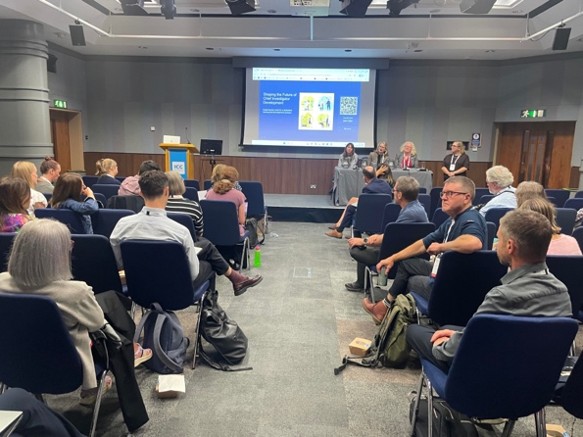
How to Be a Great Chief Investigator for Clinical Trials – Birmingham Workshop Date Announced

The UK Registered Clinical Trials Unit (CTU) Network is delighted to announce the next in its series of workshops: “How to be a Great Chief Investigator for Clinical Trials”, taking place in Birmingham on 28 September 2026.

Feedback from the pilot series of workshops in 2024 was overwhelmingly positive, leading to an expanded programme for 2025 – 2028. The initiative has already welcomed over 200 delegates across 7 sessions, with more planned over the next few years.

All sessions to date have received CPD accreditation from the Federation of the Royal College of Physicians, ensuring participants’ professional development is recognised.

The workshop is designed to equip researchers with the skills and knowledge necessary to excel as Chief Investigators, through:

~ Expert guidance from experienced Chief Investigators with a diverse range of backgrounds and specialties.

~ The opportunity to meet and gain insights from specialists at Registered CTUs, including statisticians and trial managers.

~ Interactive activities to develop practical understanding of the issues.

~ A collaborative learning environment that fosters peer support.

A key feature of the workshop is the opportunity to develop your own peer-support network, enabling ongoing collaboration and shared learning beyond the event.

For further information, and to secure your place, please click here.


Improved outcomes for patients and participants through knowledge-sharing and collaboration is central to the UK Registered CTU Network’s mission, as outlined in its 2025 – 2030 Strategy:

“Our commitment to innovation and learning ensures trials are designed and delivered with excellence, maximising impact while minimising waste.”

This programme also supports the Network’s priorities to develop and nurture the CTU leaders of the future, ensuring sustainability and excellence in clinical research, and to provide an open and supportive environment across both CTUs and the wider research community.

To find out more about the Network’s Strategy for 2025 – 2030, please click here.

Introducing the Sustainability Thematic Group

The Network is an independent organisation supporting Registered CTUs delivering non-commercial and investigator-led trials across the UK and internationally. Spanning the whole of the UK, it plays an active role in both national and global clinical research initiatives.

In spring 2026, the Network established a series of Thematic Groups to support its 2025–2030 strategy, including the new Sustainability Group.

Sustainability is central to maintaining high-quality, impactful research. The group will support CTUs in two key areas: improving the environmental sustainability of trial delivery and operations, and strengthening long-term business viability and resilience.

How the Group Will Work

Bringing together a diverse range of expertise from across the Network, the group will develop practical resources to help CTUs embed sustainability into their day-to-day work and strategic planning. It will operate through two linked strands; Greener CTUs and Business Sustainability. Membership will span both sub-groups to ensure that outputs take a joined-up view, recognising the close links between environmental responsibility and organisational resilience.

The Greener CTUs strand will focus on providing support to CTUs to consider their environmental impact, promoting emerging research, sharing best practice, and supporting CTUs to use the practical tools available to enable Greener Trials.

The Business Sustainability strand will explore sustainable operating models, promote the value of CTUs, and support more effective engagement with partners, including industry.

Find out more about the group here.

Getting Involved

The group is already meeting to identify priorities and shape its work programme, with a strong emphasis on engaging the wider CTU community to ensure outputs are relevant and useful.

As part of this engagement, and to coincide with World Environment Day, the Sustainability Group is inviting each CTU to nominate a ‘Greener CTU’ representative. This individual will act as a key point of contact for environmental sustainability matters, helping to share information, support collaboration, and connect local activity with Network-wide initiatives.

Looking Ahead

The success of the group will depend on active engagement across the Network, with collaboration and shared learning key to driving meaningful progress in this increasingly important area. By working together and sharing experiences and expertise, the Network hopes to promote practical, meaningful progress in an area that is becoming increasingly central to the future of clinical research.

To find out more about the Network’s Strategy for 2025 – 2030, please click here.

To keep up to date with the work of the Network follow us on LinkedIn or BlueSky.

Marking the Second Year of our Commitment to Environmental Sustainability in Research

As we approach World Environment Day on 5 June, this year’s focus on urgent action on climate change feels particularly timely. The record-breaking heatwave seen across the UK in May 2026 has brought the reality of climate impacts into sharp relief, underlining the importance of acting now.

Against this backdrop, we’re proud to mark two years as a Supporter of the Concordat for the Environmental Sustainability of Research & Innovation Practice. This milestone is an opportunity to reflect on the progress made so far, and to look ahead at how we continue to embed sustainability across the clinical trials landscape.

By signing the Concordat, we committed to action across three priority areas: leadership and system change, emissions from academic travel, and collaborations and partnerships.  We also agreed to provide annual updates of our progress.  You can find out more below.

Leadership and system change

We recognise that high-quality, impactful research must also be sustainable.

The Network’s Strategy for 2025 – 2030, which was published in June 2026, included a strong commitment to encouraging, supporting, and disseminating sustainable research practices both internally and across our members CTUs.

Since then, we have been working to embed these ambitions into our practice.  This includes the creation of a Sustainability Group which is looking at both environmental sustainability and the broader sustainability of Clinical Trials Units.

Sustainability has also been a recurring theme at several of our national meetings. This includes the CTU Directors’ Meeting in May 2026, which brought together senior leaders from across the Network alongside wider stakeholders to explore key developments in clinical research, including the UKRI’s SPARKHub platform and a dedicated roundtable of CTU leaders on environmental sustainability in clinical trials

Reducing emissions from academic travel

We have continued to build on earlier changes to reduce travel-related emissions. Face-to-face meetings are now fewer and more purposeful, with digital materials provided as standard. Where possible, meetings are combined to minimise journeys, and we have transitioned to lower carbon alternatives for catering.

Our online programme continues to expand, with webinars, roundtables, and specialist clinics providing accessible opportunities to connect and share knowledge. Over the past 12 months, this has included 10 roundtables, 9 clinics, 9 webinars, and 6 user group meetings, bringing together over 1,700 participants without the need for additional travel (up from 1,200 the year before).

This approach is not only reducing environmental impact but also improving accessibility and inclusion across the Network.

Collaborations and partnerships

Working collaboratively remains central to how we drive sustainable change. By sharing knowledge and approaches, Registered CTUs can improve existing processes while also exploring new, more efficient ways of working.

In addition to our sustainability group, other Network groups are exploring how digital tools (including AI) can be used more effectively, as well as how remote alternatives can be built into routine practice.

We also continue to contribute to wider initiatives, including the development, piloting, and dissemination of a carbon footprinting tool for clinical trials with the TMRP Greener Trials Group.

Additional guidance on undertaking greener trial monitoring, with real-world examples drawn from across the Registered CTU Network, has recently been approved and will be shared in the next few weeks

Together, these efforts help reduce duplication, save resources, and support more sustainable research delivery.

Looking ahead

As we enter our third year as a Concordat Supporter, our focus remains on building momentum; working together to make meaningful, lasting improvements in how clinical research is designed and delivered.

Together we can make a difference.

Find out more

~ To learn more about the aims and ambitions of the Concordat click here.
~ To download the Network’s official letter of support from 2024 please click here.
~ You can find out more about World Environment Day, and this year’s focus on urgent climate action, here.

Diabetes Awareness Week 2026: Let’s Change How We Talk About Diabetes

8 – 14 June 2026 is Diabetes Awareness Week.  This year’s focus is on tackling some of the negative attitudes that those living with diabetes still encounter

Diabetes UK estimates that almost 6 million people in the UK are living with diabetes. This figure includes more than one million people who are believed to be living with undiagnosed type 2 diabetes. As cases continue to rise, experts are calling not only for better prevention and treatment strategies, but also for a shift in how society understands and talks about the condition.

Diabetes is a complex and often misunderstood health condition. While it is commonly associated with lifestyle factors, the reality is far more nuanced. Oversimplifying what it means to live with diabetes, and why it develops, can contribute to harmful stigma. 

This stigma remains a major challenge for people living with diabetes. Research from Diabetes UK indicates that eight in ten individuals with the condition have experienced negative attitudes, from judgemental comments to harmful stereotypes. Many report being blamed for their diagnosis or subjected to sweeping generalisations about their health and lifestyle.

Healthcare professionals warn that this can have serious consequences, including missed appointments and delayed treatment, ultimately affecting long-term health outcomes.

As part of these awareness efforts we are highlighting progress in diabetes research.

Below you can read about 4 very different trials conducted by Registered Clinical Trials Units (CTUs) that aim to advance treatment and quality of life for people living with diabetes.


Improving Diabetes Self-Management in Adults with Intellectual Disabilities: My Diabetes & Me

An increasing life expectancy in people with Intellectual Disabilities results in a higher prevalence of Type 2 diabetes than in the general population. This is as a result of factors including a more sedentary lifestyle, high-fat diet and high levels of anti-psychotic medications, all of which can contribute to obesity.

Many people with intellectual disability do not have annual blood tests, including HbA1c, cholesterol levels and microalbuminuria; annual blood pressure and BMI measurements; or diabetic retinopathy screening.

Funding has been received from the National Institute for Health Research Health Technology Assessment (HTA) programme to explore whether a diabetes education programme tailored specifically for people with intellectual disability (DESMOND-ID) can improve self-management of Type 2 diabetes compared to usual care.

The My Diabetes and Me Study is a UK-wide randomised control trial of self-management of type 2 diabetes in adults with intellectual disabilities. The study is led by Professor Laurence Taggart at Queen’s University, Belfast and is co-ordinated by the Northern Ireland Clinical Trials Unit (NICTU).  

Colette Jackson is the Trial Manager at NICTU for this study and, with her team, has provided excellent support to the 11 participating sites across the UK, facilitating the largest UK randomised controlled trial in this population with 297 participants.

Hear more about the My Diabetes and Me Study at: https://youtu.be/IA07B1xpM9k.


Treating Type 1 Diabetes (T1D) in adolescents: the USTEK1D trial

A clinical trial investigating an established immunotherapy, originally used to treat psoriasis, has shown promising results in adolescents with recent-onset Type 1 Diabetes (T1D). The study found that the treatment can help preserve the body’s ability to produce insulin.

Funded by the NIHR Efficacy and Mechanism Evaluation (EME) Programme, the USTEK1D trial explored the use of Ustekinumab in 72 young people aged 12 to 18 who had been diagnosed with T1D within the previous three months. The aim was to slow or prevent the loss of insulin-producing cells.

Diabetes Awareness Week - USTEK1D Trial Logo

The trial involved researchers from Cardiff University, Kings College London, Swansea University and the University of Calgary, with the Swansea Trials Unit providing trial management, regulatory advice, data management, statistical analysis, QA, and PPI coordination.

Slowing the immune attack
After 12 months, participants who received Ustekinumab were producing around 49% more of their own insulin compared to those in the control group, who received matched placebo injections.

Laboratory analyses also showed that the treatment reduced levels of immune cells producing the IL-17 protein. Importantly, those participants with the biggest reductions in IL-17-producing cells saw the greatest preservation of their insulin-producing capacity. This provides the first clear trial-based evidence of the damaging role these cells play in T1D.

Next steps
While these findings are encouraging, further studies are needed to confirm the results and to better understand which patients are most likely to benefit. On its own, Ustekinumab does not appear to completely halt the autoimmune process, and some loss of insulin-producing capacity occurs before treatment takes effect.

Future research may look at combining Ustekinumab with other therapies to provide greater protection for insulin-producing cells. Even so, this trial marks an important step forward in the move towards more precise, targeted treatments for T1D, aimed at maximising benefit while minimising side effects.

Find out more

STU trial webpage: https://www.swanseatrialsunit.org/trials/ustekid

USTEK1D final report to NIHR: https://www.journalslibrary.nihr.ac.uk/eme/FQLN7416

Final results published in Nature Medicine: https://www.nature.com/articles/s41591-024-03115-2


RECOGNISED – A Randomised Controlled Trial of Continuous Glucose Monitoring in the Management and Diagnosis of Gestational Diabetes

The RECONGISED trial is an NIHR-funded study evaluating whether the use of continuous glucose monitoring (CGM) devices improves health outcomes for mothers and babies in women with gestational diabetes mellitus (GDM), compared to standard finger-prick blood glucose testing.

Gestational diabetes is the most common medical complication in pregnancy, affecting up to 20% of pregnant women in the UK. The risk of obstetric and neonatal complications in women with GDM is up to three times that of the general antenatal population.

Diabetes Awareness Week - RECOGNISED Trial Logo

CGM is already established in the management of other forms diabetes, and it offers a potentially easier and more convenient method of tracking glucose levels. It can also provide a more detailed and accurate picture of blood glucose patterns, monitoring levels continuously throughout the day and night, enabling clinical teams to optimise care and reduce the risk of complications.

The study, led by Associate Professor Christy Burden (University of Bristol) and Professor Eleanor Scott (University of Leeds) is coordinated by the Bristol Trials Centre (BTC) at the University of Bristol and is due to begin recruitment in early 2027. The BTC will collaborate with 25 maternity centres across the UK to recruit over 2,000 pregnant women from diverse populations with gestational diabetes.

With the support of the experienced team at BTC, the study aims to provide robust, high-quality evidence which could influence national guidance on the use of CGM technology for gestational diabetes.

Further information can be found here: https://fundingawards.nihr.ac.uk/award/NIHR170211


DiRECT – Transforming Type 2 Diabetes Care Through Remission Research

The Diabetes Remission Clinical Trial (DiRECT) was a landmark UK study investigating whether substantial weight loss could achieve remission of type 2 diabetes. Conducted in NHS primary care settings, the trial tested an intensive weight-management programme involving a low-calorie diet, structured food reintroduction, and long-term weight maintenance support. The study demonstrated that nearly half of participants achieved diabetes remission after one year, challenging the long-held belief that type 2 diabetes is inevitably progressive.

The impact of DiRECT continues to grow. Analyses from the 5-year follow-up data, published in 2026, provided a unique assessment of cost-effectiveness based on actual NHS resource utilisation rather than predicted disease outcomes. The findings suggest that, if implemented routinely across the NHS, the DiRECT/Counterweight intervention becomes cost-saving after approximately five years. Further analyses also showed that routine liver function tests could identify improvements in liver health, with the intervention reversing abnormalities associated with Metabolic Dysfunction-Associated Steatohepatitis (MASH) in around one-third of participants.

Glasgow Clinical Trials Unit (GCTU) and the Robertson Centre for Biostatistics (RCB) managed the data management, statistical and methodological aspects of the DiRECT trial, with Professor Alex McConnachie serving as Trial Statistician.

Building on the success of DiRECT, GCTU and RCB are also supporting Co-DIRECT Nepal, an ongoing follow-up study adapting the diabetes remission approach for a different healthcare setting. Funded by the Medical Research Council through the Global Alliance for Chronic Diseases (GACD) Healthy Cities Programme, Co-DIRECT Nepal is a hybrid effectiveness-implementation trial evaluating whether a low-cost, community-delivered dietary intervention can achieve remission of screen-detected type 2 diabetes in Nepal. The study aims to generate evidence on how remission programmes can be implemented sustainably and equitably in low-resource settings.

DiRECT has transformed expectations for people living with type 2 diabetes by demonstrating that remission is achievable for many through significant weight loss. The findings have informed diabetes care nationally and internationally: for example, GPs can now refer people with newly-diagnosed type 2 diabetes into NHS diabetes remission programmes based on DiRECT around the UK.  This has given thousands of people access to evidence-based interventions that can reduce medication use, improve quality of life, and lower the risk of long-term complications.

The wider impact of the work continues to be recognised. In 2026, the DiRECT diabetes remission programme was shortlisted for the Prix Galien UK Award for Best Public Sector Innovation, reflecting its contribution to improving population health and healthcare delivery.

You can find out more about DiRECT at: https://www.directclinicaltrial.org.uk/


To keep up to date with the work of the Network follow us on LinkedIn or Bluesky.

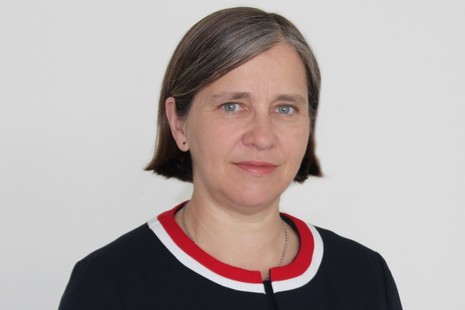
Kerry Hood made Fellow of the Academy of Medical Sciences

We are delighted to announce that Kerry Hood, Director of the UK Registered CTU Network, has been elected as a Fellow of the Academy of Medical Sciences (AMS).

Kerry Hood made Fellow of the Academy of Medical Sciences

The Academy awards Fellowship to individuals who have made outstanding contributions to the medical sciences, whether through ground-breaking discoveries or a sustained record of influential scholarship.

Kerry is among 60 outstanding biomedical and health scientists included in the Academy’s 2026 cohort, in acknowledgement of their significant contributions to advancing medical science.

The 2026 intake joins a Fellowship of more than 1,500 researchers, who contribute to the Academy’s work to support scientific talent and help shape research and health policy in the UK and around the world.

Kerry’s research has focused on the design and delivery of complex clinical trials, particularly in primary care, infections and learning disabilities.

Alongside her leadership of the Network, Kerry is Dean of Research & Innovation in the College of Biomedical & Life Sciences at Cardiff University. She has been closely involved with the UK CTU Network since its inception in 2007, initially as Director of the South East Wales Trials Unit and subsequently of the Centre for Trials Research. Throughout this time, she has been a strong advocate for academic clinical research, championing its importance at local, regional and national levels.


You can read the Academy of Medical Sciences’ announcement here.

Read more about the work of the UK Registered CTU Network here.

International Clinical Trials Day 2026

The Registered Clinical Trials Unit (CTU) Network is proud to support International Clinical Trials Day (20 May).

The date marks an important moment back in 1747, when Royal Navy surgeon James Lind set out to better understand scurvy. His study was small, just 12 men over six days, but it showed that citrus fruits could prevent the disease, and is often seen as one of the first clinical trials.

Now, the anniversary is used around the world to highlight the importance of clinical trials and recognise the people who make them happen. Registered CTUs across the Network take the opportunity to share their work in schools, hospitals, and universities around the country or hold internal events to meet and thank participants and funders. You can read about a small fraction of these activities below. To find out about more about what CTUs do click here.

If you’re interested in taking part in health and care research across the UK, the Be Part of Research website can help you explore ongoing clinical trials by condition or location.


Paper Aeroplane Trial
19 May 2026
NHS Blood and Transplant Filton

NHS Blood and Transplant Logo - International Clinical Trials Day 2026

Staff from the NHS Blood and Transplant Clinical Trials Unit will be running a mini randomised controlled trial at the NHSBT site where our statisticians are based. We aim to test the hypothesis that paper aeroplanes made from A7 paper will fly further than those made from A6 paper. Participants (NHSBT colleagues) will be randomly allocated a paper size, build a plane, and test its flight distance. To explore the reliability of self‑reported data, participants will rate their paper‑aeroplane‑making skills beforehand. We will share the results with colleagues at the site.

Find out more about the work of the NHS Blood and Transplant Clinical Trials Unit here.


Community Engagement and Creative Trial Showcase
19 & 20 May 2026
Keele University, Newcastle-under-Lyme Town Centre and Queen Elizabeth Hospital, Birmingham

Keele CTU - International Clinical Trials Day 2026

To mark ICTD, staff from Keele Clinical Trials Unit will be taking part in a creative research methods showcase at our university (19 May 2026), demonstrating the participant experience in a randomised controlled trial. On the day itself, we’ll be collaborating with MPFT NHS Trust on their research bus in Newcastle-under-Lyme town centre, engaging the public and promoting opportunities to take part and get involved in health research. We will also be showcasing our mock trial at an event at Queen Elizabeth Hospital, Birmingham, highlighting the value of high-quality clinical trials.

Find out more about the work of the Keele Clinical Trials Unit here.


Research and Knowledge Exchange Festival 2026
20 May 2026
University of Lancashire

University of Lancashire Logo - International Clinical Trials Day 2026

On 20 May 2026, leading researchers from the Lancashire Clinical Trials Unit will be presenting at the University of Lancashire’s annual Research and Knowledge Exchange Festival.  As part of a day dedicated to health and wellbeing, they will be discussing some of their ground-breaking clinical trials and innovative methodological studies that are driving the future of health research.

Find out more about the work of the Lancashire Clinical Trials Unit here.


A visit from the family of Norman Hunter
20 May 2026
University of Leeds

Leeds Clinical Trials Research Unit Logo - International Clinical Trials Day 2026

To help us celebrate International Clinical Trials Day, Leeds Clinical Trials Research Unit will be getting a visit from the family of former Leeds United footballer, World Cup winner and PFA Player of the Year Norman Hunter. Norman spent seven years receiving care in Leeds following his diagnosis with Chronic Lymphocytic Leukaemia (CLL) until his death in 2020.

His wife Sue has been raising money ever since and some of the over £170,000 raised has gone to help fund lab work related to the FLAIR and STATIC trials. In the past the family have visited the labs to meet the team and learn about the impact of their fundraising but this year they will be visiting LICTR to see where the trials are coordinated, meet the team and hear more about what is involved in running clinical trials.

Find out more about the work of the Leeds Clinical Trials Research Unit here.


Strengthening Quality and Capacity in UK Clinical Trials

The UK Registered CTU Network was created in 2007 in response to a shared recognition among researchers and funders that the UK needed greater capacity and consistency in the design and delivery of high‑quality academic clinical trials. Established alongside the growth of the National Institute for Health and Care Research (NIHR), the Network provides a coordinated, nationally accessible system that connects CTUs with funders, regulators and other key stakeholders, while supporting best practice through shared expertise and independent review.

Central to this mission is the Network’s registration process. Registration serves as a visible and trusted benchmark of quality for non‑commercial academic clinical trials, enabling funders, collaborators and participants to identify CTUs with the expertise, infrastructure and systems required to deliver robust and ethical research. In our current rapidly evolving trials landscape, clear and credible standards remain as essential as ever.

This review placed strong emphasis on engagement with a broad range of stakeholders, including CTU staff, research participants, funders and regulators. Their input was vital in testing whether the existing criteria continued to reflect quality and competence, and in identifying opportunities to future‑proof the process.

Stakeholders were invited to review how clear and effective the current criteria are, covering areas such as portfolio, staff expertise, infrastructure, quality assurance, information systems, research strategy, national standards (e.g. PPI&E), and statistics. Patient and public contributors took part in several workshops, allowing more detailed feedback to be gathered. Views were also sought on renewal timelines for existing members and on the approach to open calls for new CTUs. All feedback was considered by the Criteria Review Group, set up to oversee the process, as well as by the Executive Group and the independent International Registration Review Committee.

Overall, respondents supported the current approach, with no major structural changes recommended. However, several thoughtful refinements were agreed. These included clarifying expectations around the completion and publication of randomised controlled trials, broadening the way CTUs can evidence contribution beyond named authorship, strengthening PPI&E criteria, introducing an Equality, Diversity and Inclusion element, updating language in the Information Systems and Statistics sections to reflect current practice, and making the frequency of open calls clearer and more predictable.

This review has reaffirmed the strength of the existing registration framework and highlighted its continued value. By maintaining a clear marker of excellence across all stages of non‑commercial trials, the CTU Network continues to play a vital role in supporting high‑quality research and safeguarding the UK’s global reputation for clinical trials excellence.

Of the registration process, Otavio Berwanger, Chair of the International Registration Review Committee said:

“Being part of the UK Registered Clinical Trials Unit (CTUs) Network isn’t just about recognition; it genuinely strengthens how CTUs design and deliver trials. The registration criteria help ensure the right expertise, processes, and governance are in place to run studies that are both robust and reliable, ultimately improving the quality of the evidence we generate.”

To view the updated criteria, and the associated guidance, please click here.

UK CTU Network publishes practical guidance to support international clinical trials

The UK Clinical Trials Units (CTU) Network has published new guidance to support researchers considering running clinical trials beyond the UK, offering practical advice for navigating the complexities of international collaboration.

The document takes the form of a “Things to Consider” guide, reflecting the wide variation in experiences across UK-based CTUs involved in international studies. It aims to provide a flexible and practical list of important areas for trial teams to bear in mind at the planning stage of multi-national research.

Supporting global trial delivery

Interest in conducting clinical trials across borders has grown significantly in recent years, driven by the need for larger, more diverse participant populations and the opportunity to address global health challenges. However, running trials outside the UK introduces a range of operational, regulatory, and cultural considerations.

The CTU Network highlights that experiences of international working differ considerably depending on the country, the trial design, and the timing of the work. As a result, producing rigid, one-size-fits-all guidance was seen as neither feasible nor helpful.

A practical approach

The new document draws on the shared experience of the UK CTU community to outline key areas that research teams should consider when planning international activity. These include costing and funding arrangements, understanding cultural and local contexts, navigating contracts and legal frameworks, and managing ethics and regulatory approvals across different jurisdictions.

The guidance also provides signposts to a range of existing resources developed by other organisations, helping researchers access more detailed or country-specific information where needed.

Developed through shared expertise

The guidance has been developed by a group of senior trialists from across the UK CTU Network, bringing together experience of designing and delivering trials in a wide range of international settings. This collaborative approach reflects the Network’s commitment to sharing knowledge and promoting best practice across registered CTUs, ensuring that collective learning benefits the wider trial community.

Learning from shared experience

A key message is the value of learning from colleagues. The CTU Network encourages researchers to connect with teams who have direct experience of working in particular countries, recognising the practical insights this can provide when navigating unfamiliar systems.

Researchers interested in speaking with colleagues from other CTUs can contact the Network, which will seek to connect them with individuals who have relevant international experience.

A living resource

By taking a principles-based approach, the Network hopes that the document will remain useful over time in a rapidly evolving landscape for global clinical research. Rather than attempting to keep pace with changing regulations and processes in every country, it provides a framework for thinking through key issues and making informed decisions.

The guidance is intended for anyone involved in trial design and delivery, including trial managers, statisticians, and chief investigators considering international expansion.

You can download the guidance here.

form

Get in touch

If you have any questions about the site, please feel free to contact us. We are always looking for ways to better serve our members - YOU are important to us!

(0113) 3439132

    Sign up to newsletter